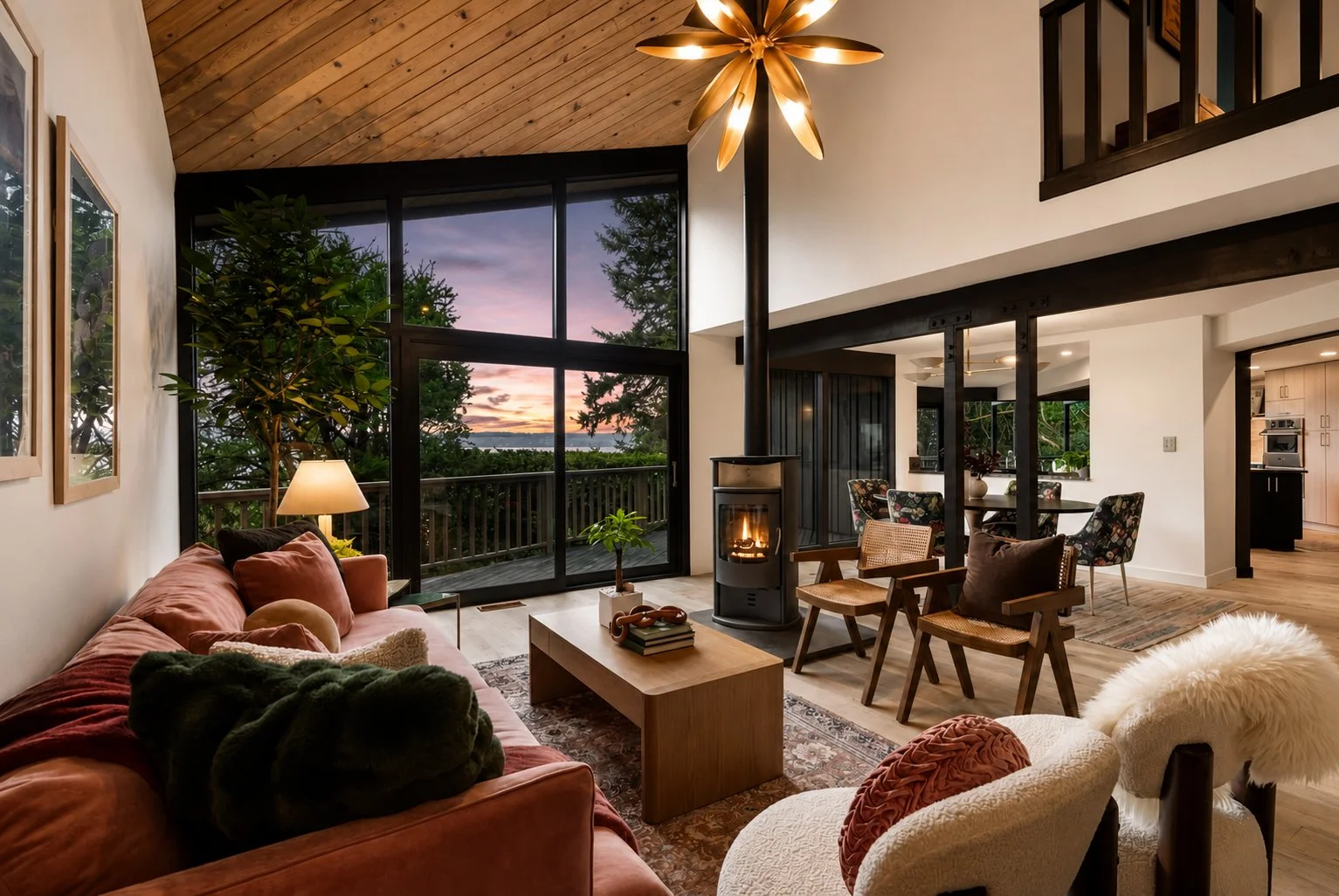
Richmond House: for Seattle Buyers and Sellers who love historic and mid-century homes
I'm Matthew Richmond, a Seattle-based licensed real estate agent with Windermere Real Estate. Craftsmans, Tudors, Victorians, Mid-Century Moderns, American Four Squares, PNW Contemporaries — I've spent decades obsessed with these houses, the eras that produced them, and the particular joys and headaches of owning one. Whether you're buying your first historic home or selling one you've loved for years, that same obsession is exactly what you want working on your behalf.
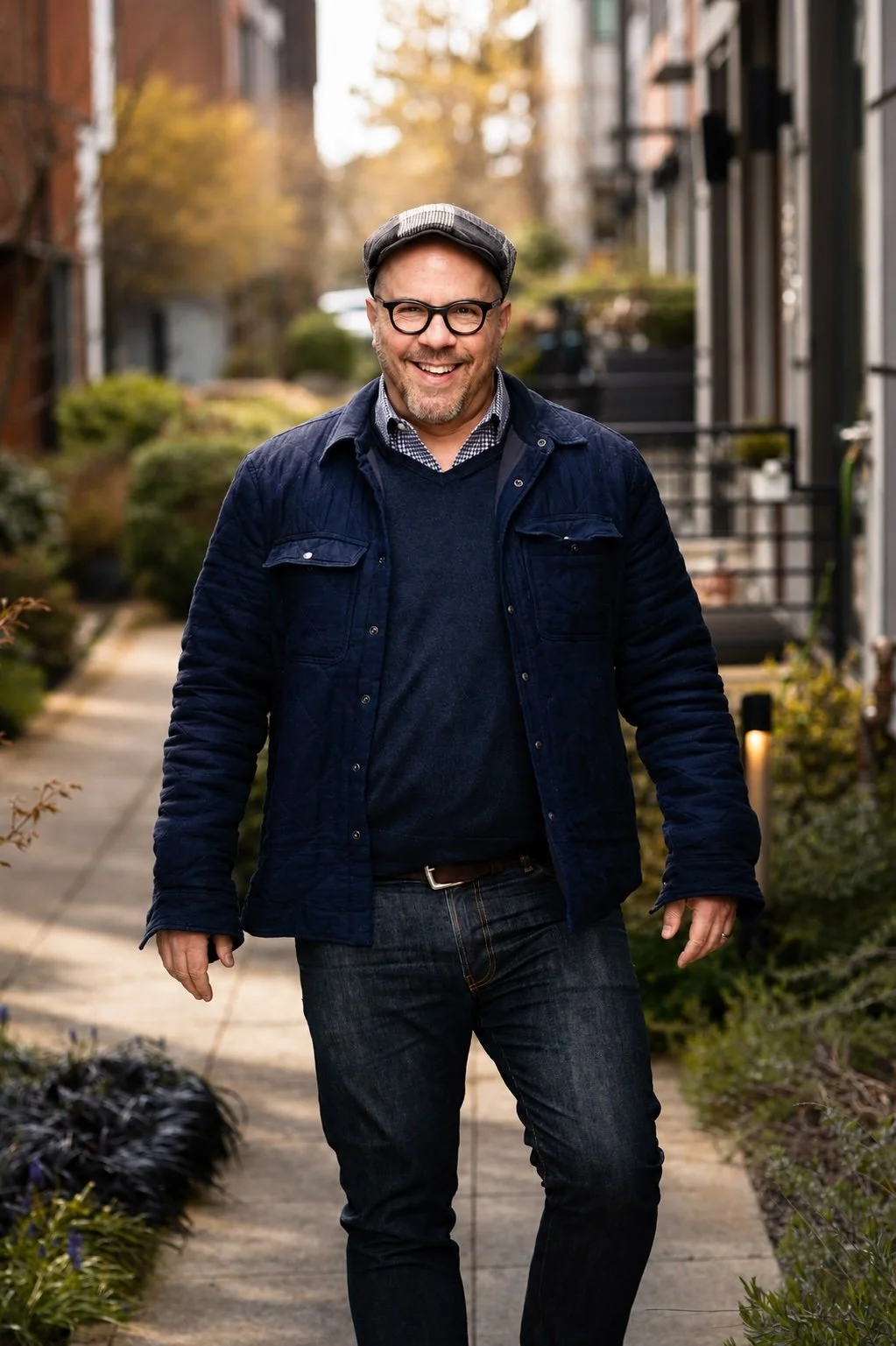
A lifetime of these houses. Nine years helping people buy and sell them.
I've spent my career helping hundreds of clients across Seattle and Detroit understand, care for, buy, and sell historic and mid-century homes. Over nine years representing buyers and sellers, and a lifetime of obsession before that, I've walked through thousands of Mid-Century Moderns, Craftsmans, Tudors, Victorians, and PNW Contemporaries, and participated in hundreds of inspections of homes built between the 1890s and 1970s, working alongside the specialized contractors who know the structures, systems, and quirks.
I've also project-managed dozens of pre-listing renovations and rehabbed four of my own homes: two Northwest moderns, a 1927 Tudor Revival, and the 1903 Victorian I'm restoring right now.
That hands-on experience is where my value comes from. I can tell what's original and what's been quietly replaced, what a serious buyer for a particular house will actually pay for, and where a renovation dollar is worth spending or not. If you're buying your first Craftsman, that means walking in with clear eyes instead of just enthusiasm. If you're selling a mid-century you've loved for years, it means knowing exactly how to present it to the person most likely to love it next.
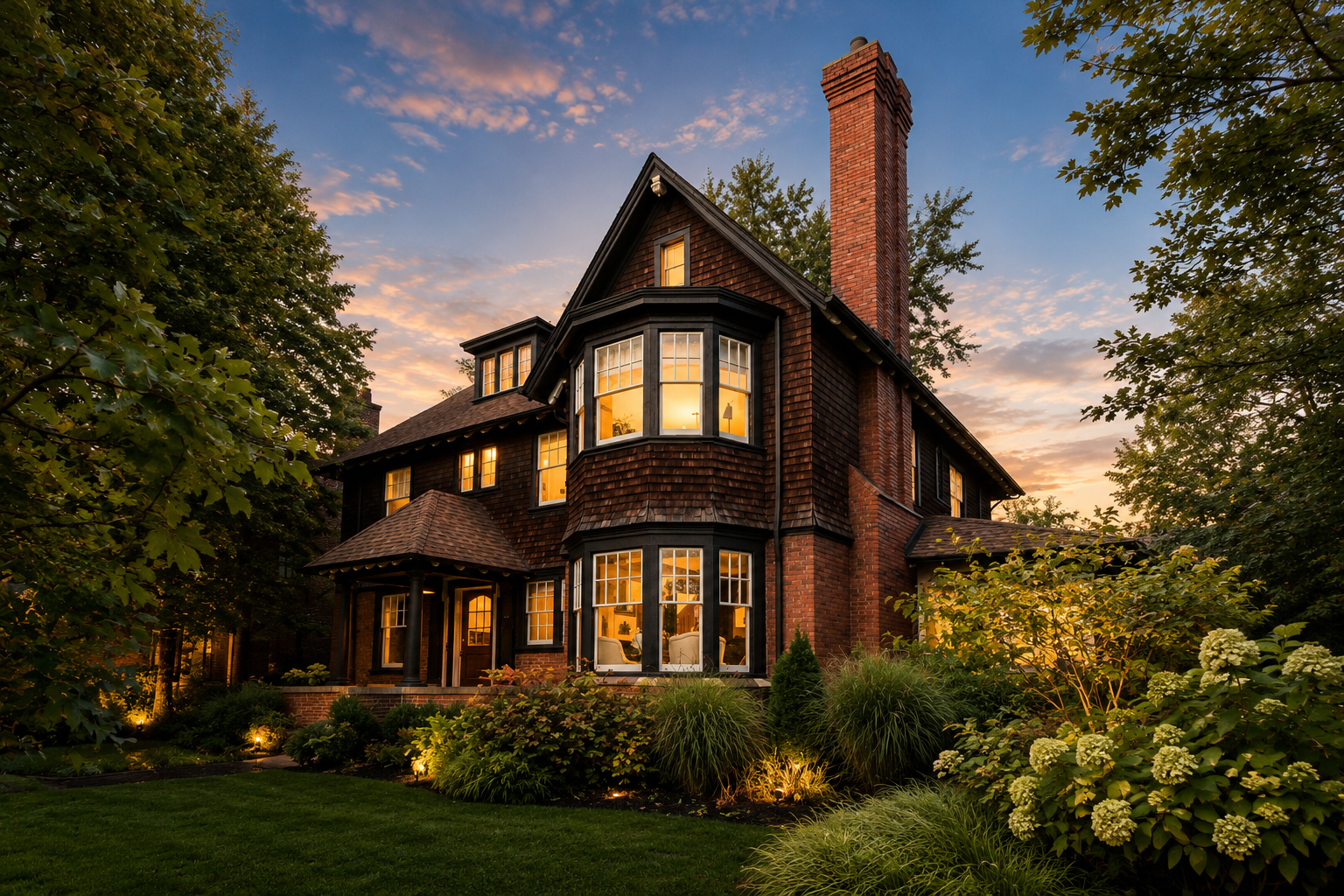
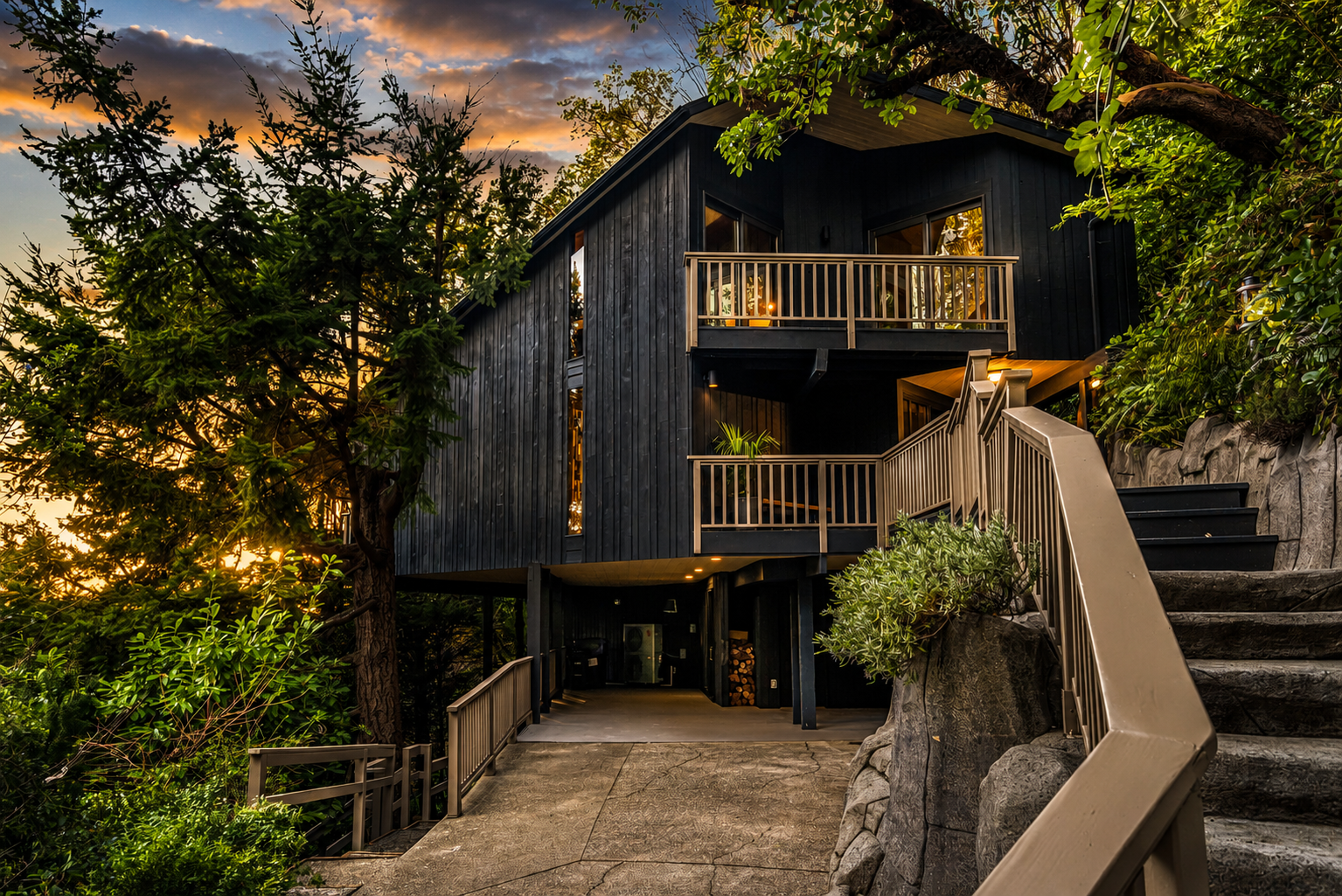
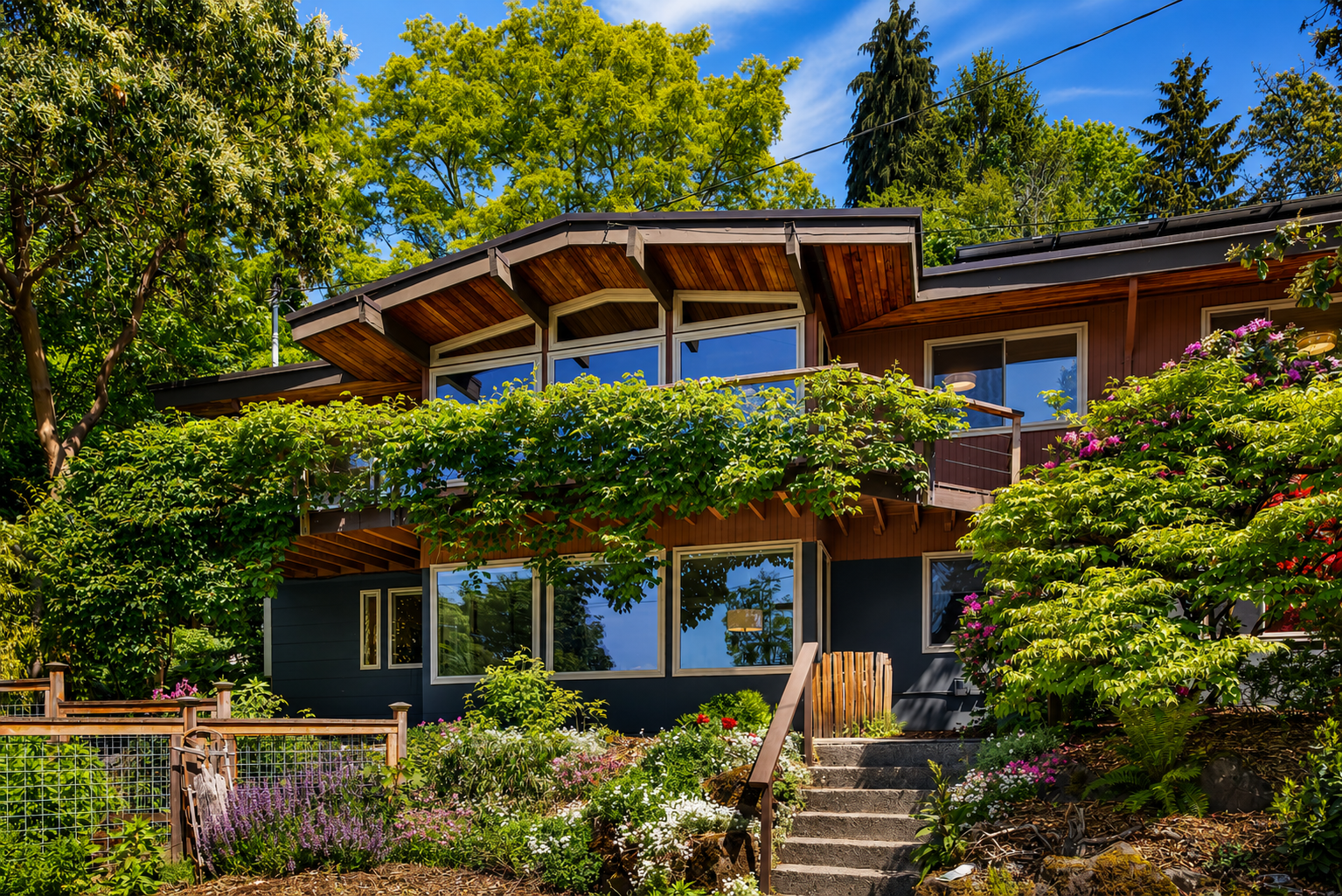
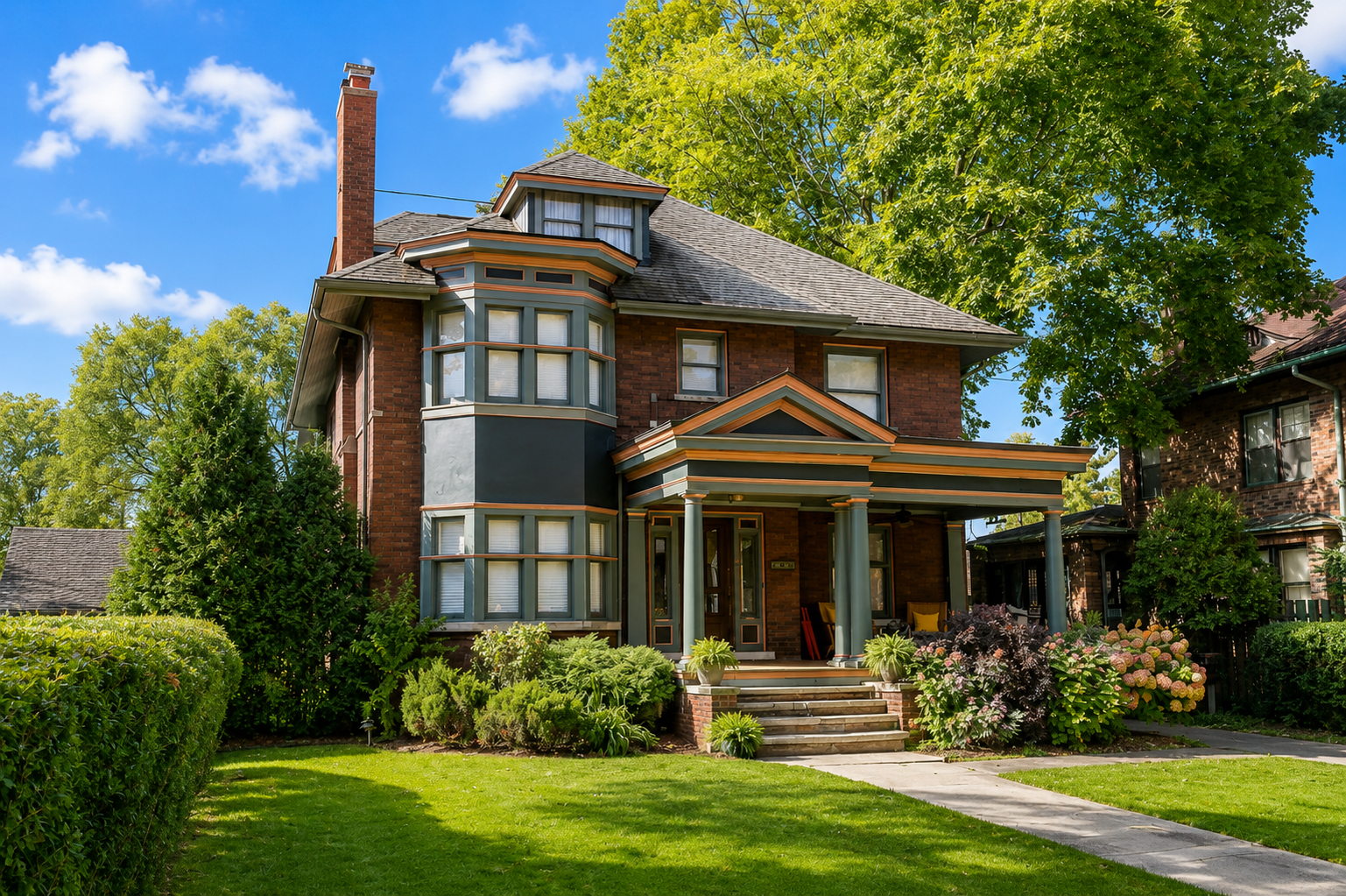
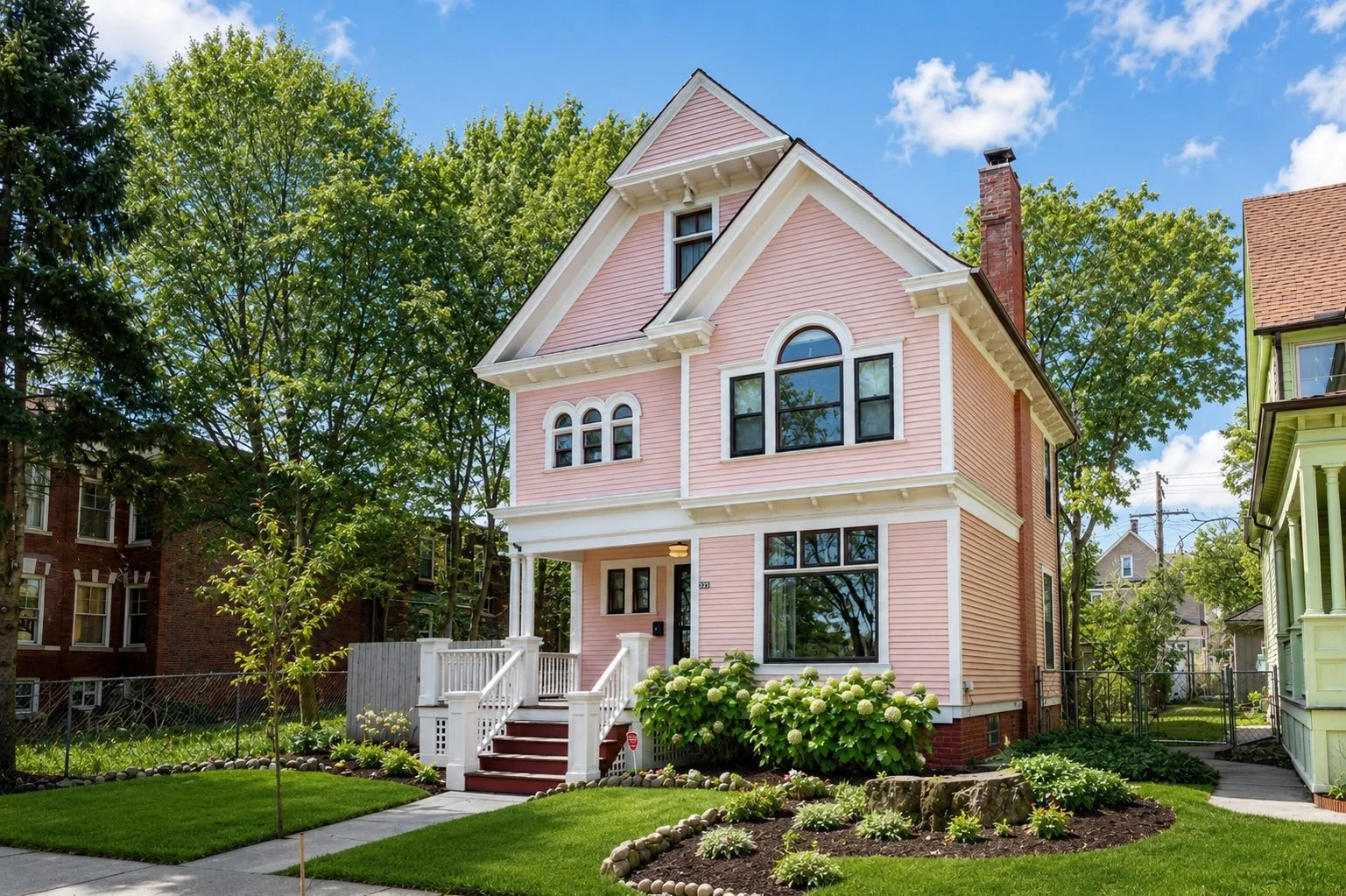
My job is to listen — to you, and to the house.
Every client relationship starts the same way: a real conversation about what you actually want. Not a script — guided conversation that surfaces your real wants, needs, constraints, timeline, and the possibilities you haven't said out loud yet, whether that's stretching for a dream Craftsman on Capitol Hill or knowing exactly what your Mount Baker Tudor needs to sell for in this market.
Then I bring that same attentiveness to the property itself. Every historic home has its own wants, needs, constraints, and possibilities — its era, what's original, what's changed, what it's quietly asking for. Reading that clearly is what lets me negotiate well, price accurately in Seattle's historic-property micro-markets, and tell a buyer or a seller the truth about what they're actually dealing with.
If you're buying: that means seeing past staging and marketing to what the home really is, so your offer is built on clarity, not just excitement about a Columbia City Craftsman bungalow or a Madrona Dutch Colonial you fell for at an open house.
If you're selling: that means knowing precisely what to fix, what to leave alone, and how to position your home for the Seattle buyer who will actually want it — and pay for what makes it special.
Either way, my responsibility is to you — your goals, your timeline, your outcome. The depth of attention I bring to the property exists to serve that, not to compete with it.
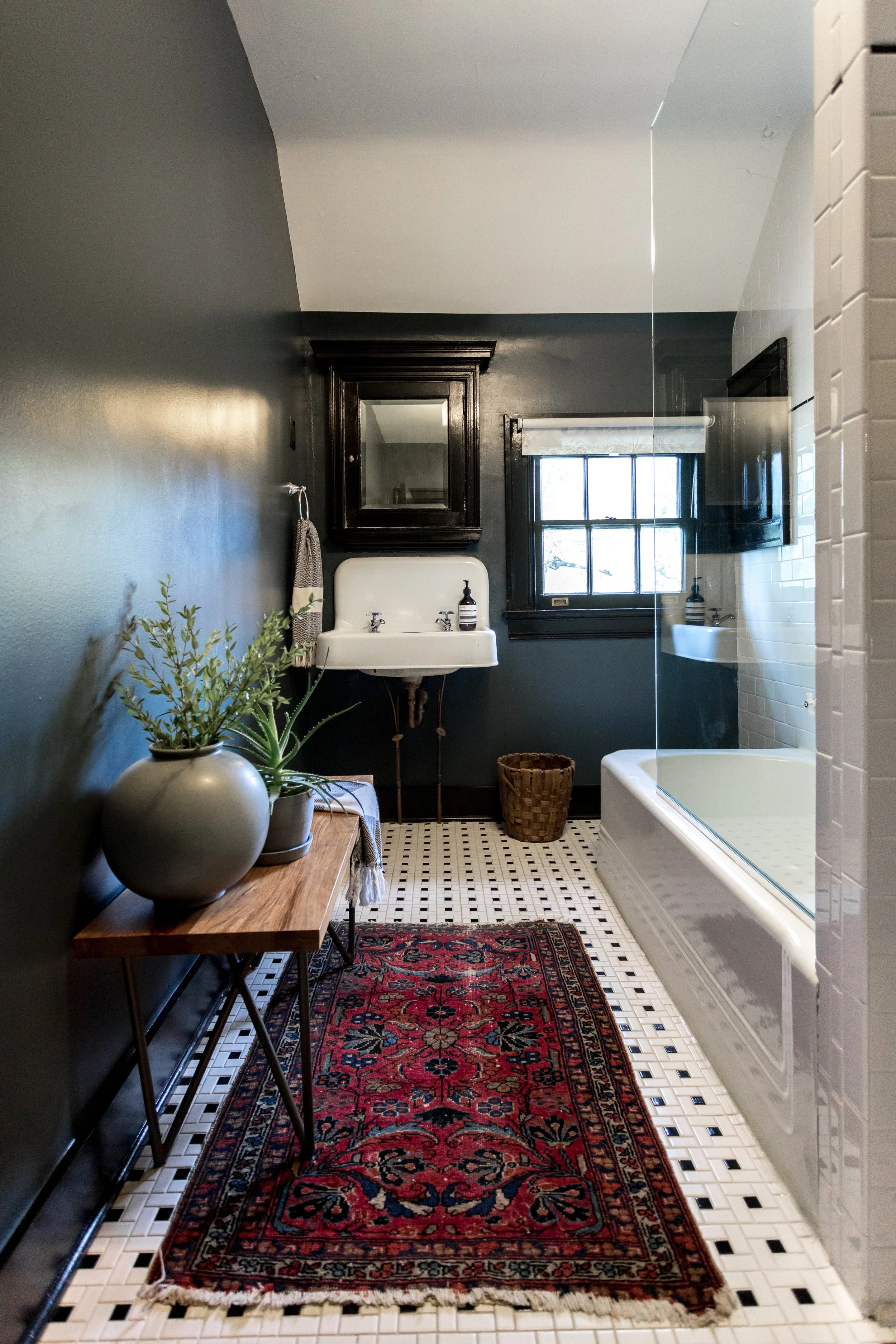
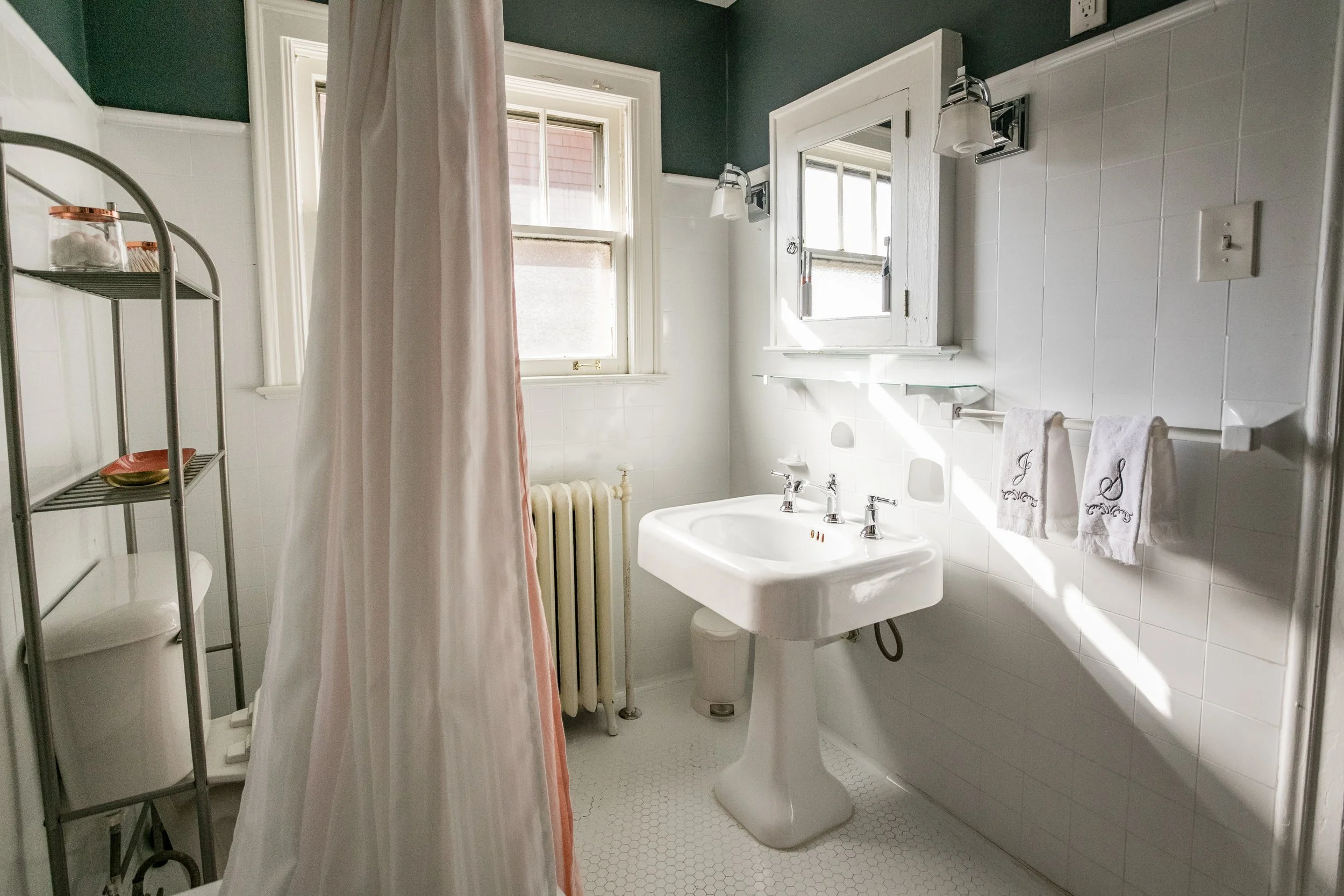
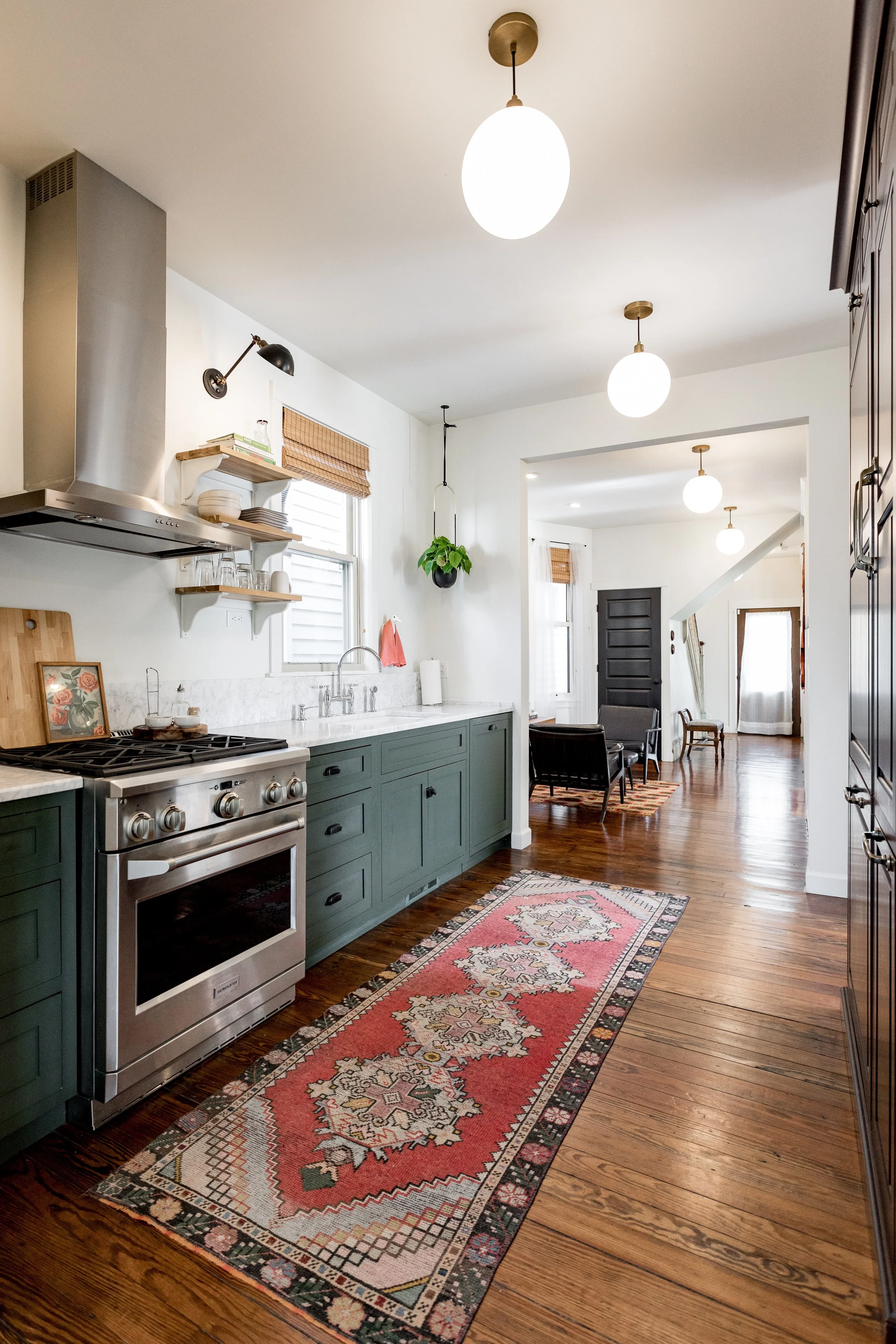
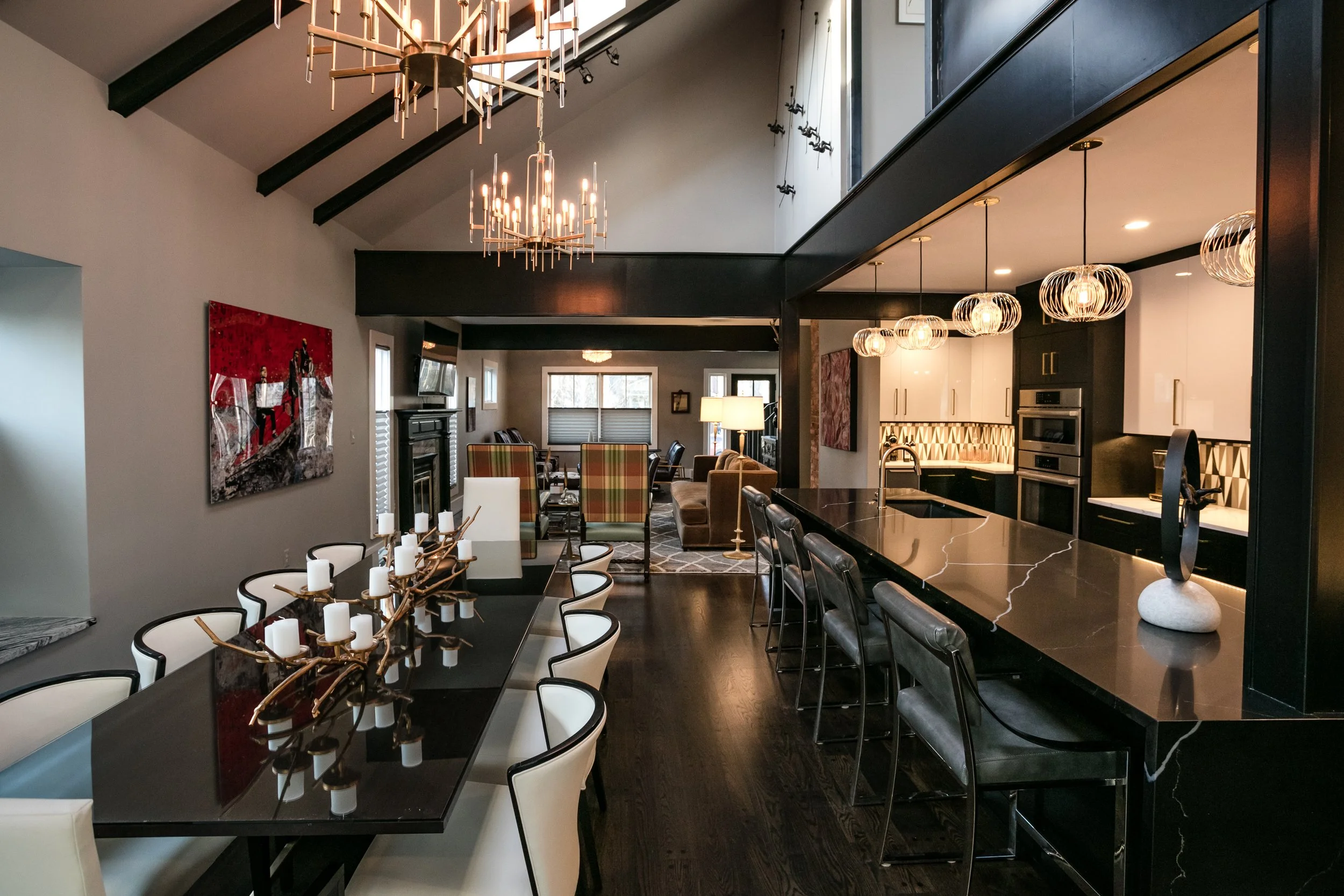
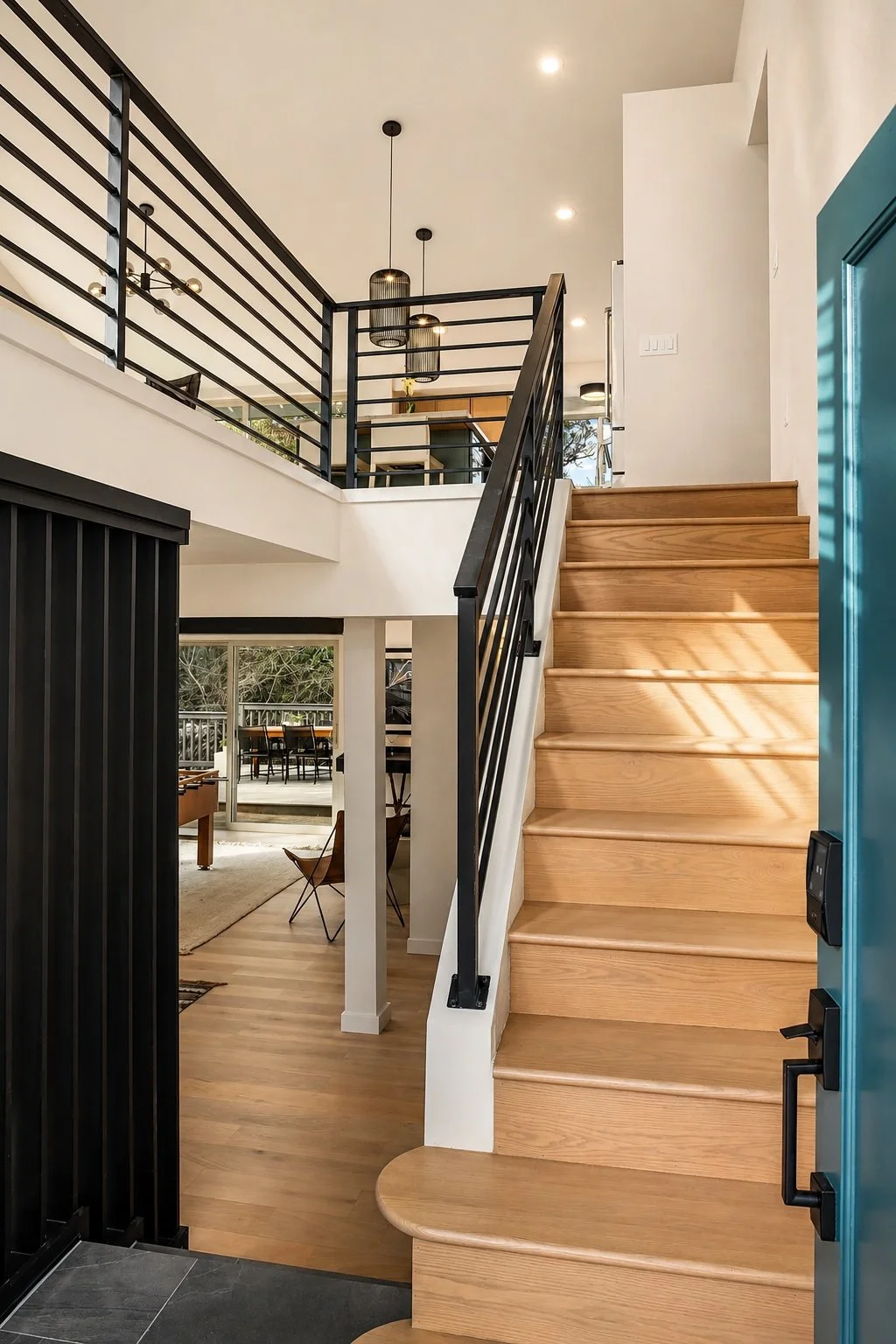
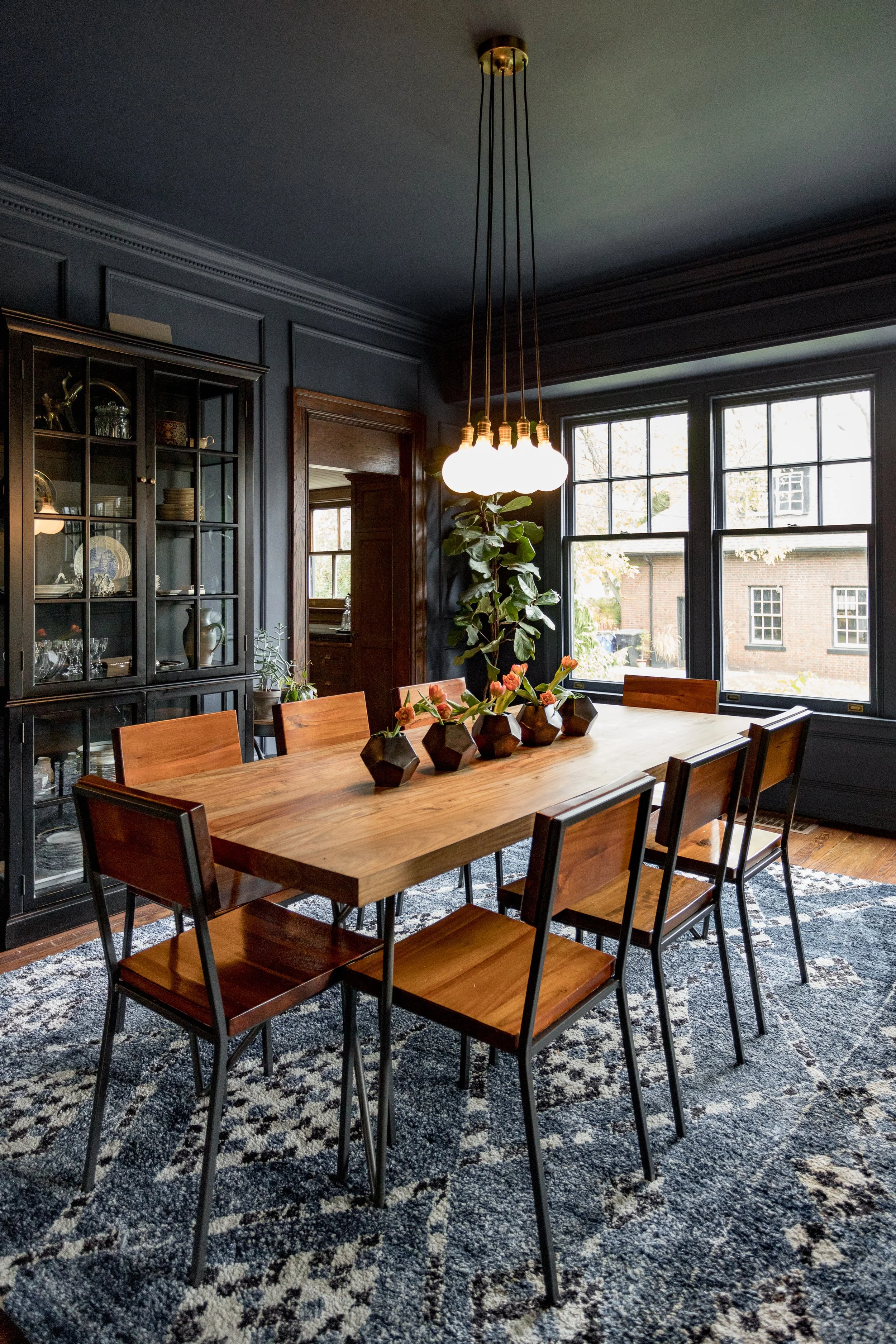
1. I get to know you. Real conversation, not a checklist — what you actually want, what you can't compromise on, what you haven't said out loud yet. Whether you're a first-time buyer navigating Seattle's historic neighborhoods or a longtime owner who's ready to sell, the conversation comes first.
2. I read the house. Its era and original intent, what's genuinely original versus changed, what it will cost to live with — the same depth of attention whether it's a 1920s Queen Anne Craftsman you're considering buying or a 1960s West Seattle contemporary you're preparing to sell.
3. I bring the two together. A clear strategy — a price, an offer, a property-positioning approach, a negotiating approach — built on what you actually need and what the Seattle market for this specific type of property actually supports. Not guesswork. Not generic advice.
That combination is the whole job: real attention to you, real attention to the house, and a strategy that only makes sense once you've done both.
The process, in 3 steps:
Frequently Asked Questions
-
Yes — and this surprises people. In the preservation field, a home is generally considered historic once it's about 50 years old, which means Mid-Century Moderns and 1960s–70s PNW Contemporaries now qualify right alongside Victorians and Craftsmans. When I say historic, I mean the full span: the 1890s through the 1970s, from Queen Anne Victorians to Paul Thienes hillside contemporaries. What unites them isn't age — it's intent. These are homes designed with a point of view, built with materials and craftsmanship worth preserving, in styles that reward being understood on their own terms. One useful distinction: "historic" as a category is different from a designated landmark or a home in a regulated historic district, which carries specific rules about what you can change. Most historic homes have no such restrictions — and I can help you understand the difference before it matters to your plans.
-
Because I've been obsessed with them my entire adult life — and that obsession has made me genuinely better at representing them. I've toured thousands of older properties, lived in more than a dozen of them, renovated my own 1927 Detroit Tudor and am currently restoring a 1903 Victorian in Seattle. That depth of experience means I read a Craftsman or a Mid-Century Modern differently than an agent who encounters them occasionally — I know what's original, what's been compromised, what a serious buyer in this category will actually respond to, and what it takes to price and position these homes accurately.
-
Three things most sellers don't hear enough: not everything needs to be fixed, the right buyer for your home is more specific than you think, and the story you tell about the house matters as much as what you do to it. Historic and mid-century homes attract buyers who already love the category — they're not looking for a soulless renovation, they're looking for something with genuine character. My job is to help you figure out what's worth spending money on before you list, what to leave alone, and how to position the property for the buyer who will actually pay for what makes it special.
-
Mid-century and historic homes reward buyers who go in with clear eyes — and with a genuine sense of excitement about what they're getting. The things that make them special — original woodwork, plaster walls, old-growth fir floors, period hardware, architectural intent — are also the things that require specific knowledge to evaluate. There's a particular pleasure in owning a house that has been understood and cared for on its own terms; part of my job is helping you see that potential clearly before you're under contract. I help buyers understand what they're actually purchasing: what's genuinely original, what's been updated well, what's been updated badly, and what the real cost of ownership looks like beyond the inspection report. The goal is an offer built on both clarity and confidence — not just excitement about the architecture, and not just caution about the unknowns.
-
I start with the house before I look at the comps. A 1922 Craftsman Four Square and a 1962 PNW Contemporary might sell at similar price points, but they're attracting different buyers with different priorities — and pricing them the same way produces different results. I look at what the property actually offers, who is realistically going to want it, what properties of a comparable era and style have sold for in Seattle's specific micro-markets, and where targeted prep work will impact perceived value. The price follows from that analysis.
-
Ye, and this is work I particularly enjoy. Buyers relocating from cities with deep historic housing stock: Detroit, Chicago, Boston, Philadelphia, San Francisco; or MCM legacy: Los Angeles, the mountain west, and many midwest cities often arrive knowing exactly what they want and with a sophisticated eye for what's real versus renovated. I help them understand Seattle's historic neighborhoods and housing stock, identify properties that are genuinely what they appear to be, and move decisively when the right home comes along. Seattle's Craftsman, Tudor, and Mid-Century Modern inventory is strong — knowing where to look and what you're looking at makes a real difference.
-
Seattle's richest concentrations of historic residential architecture are spread across Capitol Hill, Queen Anne, Madrona, Mount Baker, Seward Park, Montlake, Columbia City, Washington Park, Denny Blaine, Wallingford, View Ridge, Green Lake, Roosevelt, Fremont, West Seattle, and Burien. Each neighborhood has its own character and era concentrations. Capitol Hill and Queen Anne lean toward early 1900s Craftsmans/Four Squares and Colonials; Mount Baker and Denny Blaine have significant Tudor Revival and Colonial Revival stock; Montlake and Wallingford are strong for Four Squares and Bungalows; View Ridge and Green Lake carry well-preserved mid-century and postwar stock; West Seattle and Burien have significant Mid-Century Modern and PNW Contemporary inventory. If you're looking for a specific era or style, the search is really a neighborhood-by-neighborhood question, and I can help you map that based on what you're actually looking for.
Historic and mid-century property deserves more than a generic agent.
If you're buying or selling historic or mid-century property in Seattle, let's talk about what makes your situation and your house unique.
Book a call or fill out the form below.